


How to Fix a Cold Basement in Colorado Winters
To fix a cold basement in Colorado, first find where the heat escapes. Seal the rim joist and other air leaks, insulate the foundation walls, replace or seal drafty windows, and make sure the space gets enough heated air. Test for radon before you seal anything. In a finished basement, all of these fixes go into the walls, floor and HVAC plan.
A basement that stays cold all winter can still become a room your family actually uses. At River North Basement Co, a design-build basement finishing company in Denver, we solve cold-basement problems as part of the design rather than with a space heater at the end.
Key takeaways
- Most cold basements lose heat through air leaks at the rim joist and through bare concrete walls.
- Under the model energy code for Colorado’s climate, basement walls get R-15 continuous or R-19 cavity insulation (or R-13 cavity plus R-5 continuous).
- Insulation only works with a moisture plan, so use materials made for below-grade walls.
- Colorado has high radon potential, so test before you seal the space tighter.
- The cheapest time to fix a cold basement for good is before the drywall goes up.
Why is my basement so cold in winter?
A basement sits in soil that stays cold for months, and concrete pulls heat out of the room. ENERGY STAR notes that uninsulated basement walls can account for up to one-third of a home’s heat loss.
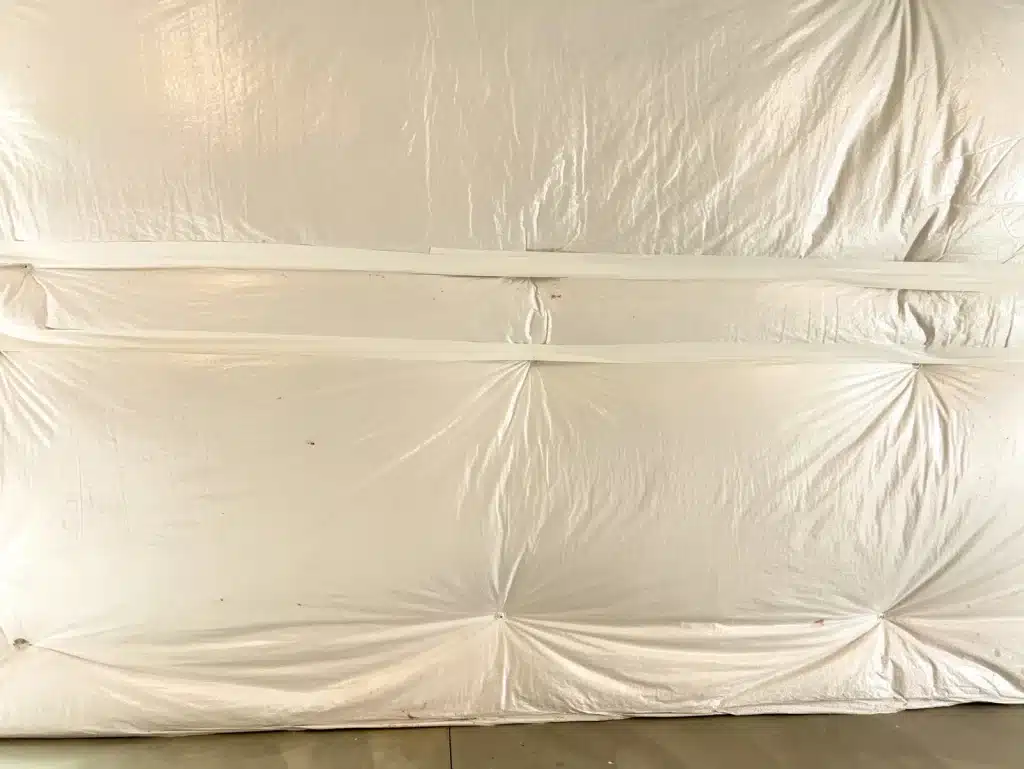
Air leaks make it worse. Cold Front Range air slips in where the wood rim joist sits on the foundation, around old windows and through holes for pipes and wires. Warm air rises and leaves through the upper floors, which pulls more cold air in down low.
The HVAC system is often part of the story too. Many basements have only a few supply registers and no return. So the furnace heats the main floor and the basement gets what’s left.
Older Denver-area homes often have no foundation insulation at all. Newer homes may have only a thin blanket on part of the wall.
What are the quickest ways to warm up a cold basement?
If you aren’t ready to remodel, these steps help this winter:
- Seal the rim joist. ENERGY STAR recommends sealing between the rim joists and under the sill plate. Use caulk for gaps up to ¼ inch and spray foam for larger ones.
- Seal pipe and wire holes. Close any openings that lead to upper floors or outside.
- Weatherstrip windows and doors. Old basement windows are a common draft source.
- Open and clean the registers. Make sure supply vents aren’t closed or blocked by boxes or furniture.
- Cover cold floors. Area rugs with a pad take the bite off bare concrete.
These steps cut drafts, but they won’t make bare concrete walls feel warm. For that, the walls and floor need insulation.
How should basement walls be insulated in Colorado?
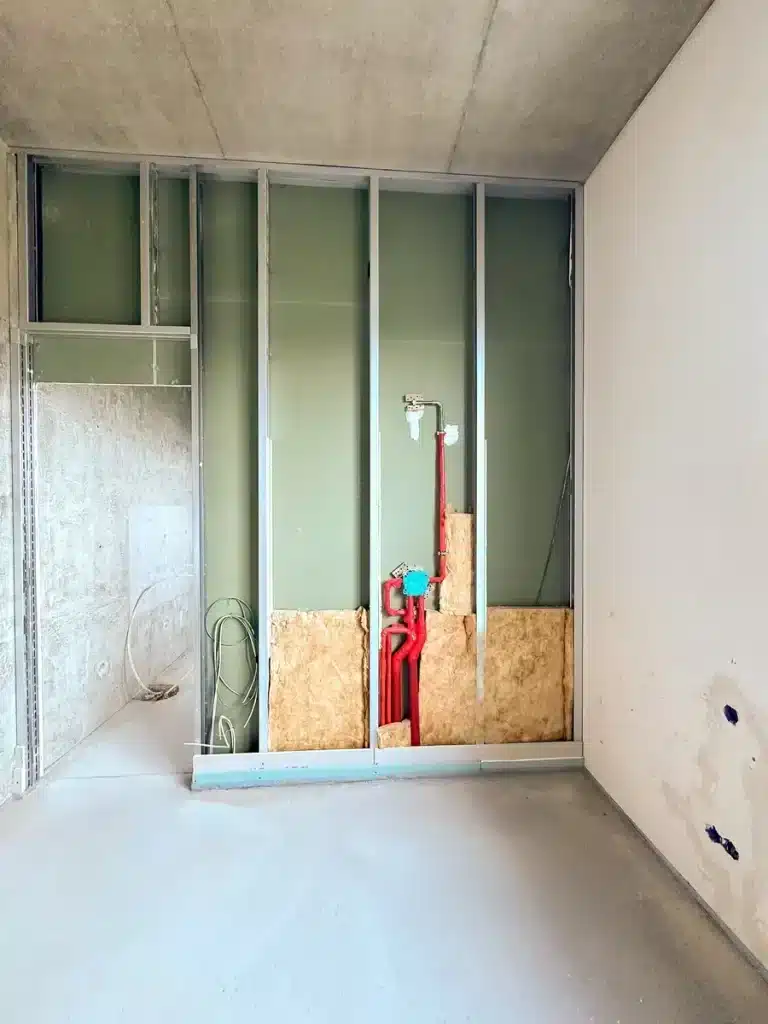
Most of the Denver metro falls in climate zone 5 under the International Energy Conservation Code. The 2021 code calls for R-15 continuous insulation, R-19 in the stud cavity, or R-13 cavity plus R-5 continuous on basement walls. Each city’s adopted code and amendments set the final number, and our team builds to the code that applies in your town. Your building department can confirm the exact requirement for your address.
| Approach | How it works | Watch out for |
|---|---|---|
| Rigid foam against the concrete, then a stud wall | Foam boards keep the framing off the cold, damp wall | Seams must be taped or sealed |
| Closed-cell spray foam | Seals air leaks and insulates in one step | Costs more; needs a trained installer |
| Foam plus batts in the stud cavity | Foam layer stops condensation; batts add R-value | Never put batts directly against bare concrete |
The goal is a warm, dry wall. Moisture in Colorado soil can condense behind a finished wall if the insulation is installed wrong. That is why we treat insulation and moisture control as one design decision. Our post on energy-saving basement upgrades covers the wall options in more depth.
Should I insulate the basement floor too?
A concrete slab feels cold underfoot even when the air is warm. You have a few ways to fix that in a finished basement:
- A subfloor system with a thermal break between the slab and the finished floor
- Flooring that feels warmer, like luxury vinyl plank or carpet with a good pad
- Electric radiant floor heat under tile, especially in a basement bathroom
Flooring choice matters too. Some materials handle a cold, slightly damp slab far better than others, so we pick flooring and subfloor together.
Is my furnace or ductwork the real problem?
Sometimes the walls are fine and the basement just isn’t getting enough heat. Signs include one cold room, weak airflow at the registers or a big temperature gap between floors.
During a remodel, the fix can be adding supply runs, adding a return so air actually circulates, or zoning the basement with its own thermostat. Some homes need added capacity. An HVAC professional should size that with a load calculation before you add equipment.
We plan heating with the layout, so bedrooms, offices and gyms each get the airflow they need. This matters in tight basements too. If you’re working with low ductwork or beams, our guide to remodeling a basement with low ceilings explains how to route ducts without losing headroom.
What should I check before sealing a basement tight?
Radon. Radon is a radioactive gas that comes up from the soil, and Colorado has high radon potential. EPA’s action level is 4 pCi/L. ENERGY STAR advises testing for radon, and installing mitigation in high-radon areas, before you seal a basement. If a test shows elevated levels, a certified radon mitigation contractor can install a system before the basement is finished.
Moisture. Look for damp spots, efflorescence (white powder on concrete) or musty smells. Fix drainage and leaks first.
Gas appliances. Tighter air sealing can cause older naturally vented furnaces and water heaters to backdraft. Have them checked before and after the work.
When should I fix a cold basement as part of a remodel?
If you plan to finish the basement in the next few years, fix the cold as part of that project. Insulating once, before drywall, costs far less than tearing out finished walls later.
Our design-build basement finishing process builds comfort into each step. Insulation, windows and heating are part of the design and the final proposal. Plans are submitted for permitting, and rough inspections happen before the drywall goes up.
Many homeowners ask whether they can stay home during the work. In most cases you can. Our guide on living in your house during a basement remodel explains what to expect.
A warm basement also matters if you’re thinking about income. A cold rental unit won’t rent well, so insulation and heat are a priority in any walkout basement rental conversion.
We finish basements in Denver and across the metro, including Arvada, Aurora, Boulder, Golden, Lakewood, Littleton and Highlands Ranch. Homes closer to the foothills see colder winter nights, which makes insulation and heating even more important.
Frequently asked questions
How much insulation does a basement need in Colorado?
Under the 2021 International Energy Conservation Code for climate zone 5, which covers most of the Denver metro, basement walls need R-15 continuous insulation, R-19 cavity insulation, or R-13 cavity plus R-5 continuous. Your city’s adopted code and amendments set the final requirement, so confirm it with your building department or contractor before you start.
Can I put fiberglass batts directly on a concrete basement wall?
It isn’t a good idea. Moist air can reach the cold concrete behind the batts, condense and lead to mold. Most builders put a layer of rigid foam or closed-cell spray foam against the concrete first. Batts can then go in a stud wall in front of the foam to add R-value.
Why is only one room in my basement cold?
Usually that room has too little heated air coming in, or a bigger heat loss than the rest. Look for a closed or blocked register, a missing return, an old window or an outside wall with no insulation. A remodel can add supply runs, a return or a separate heating zone to fix it.
Do I need to test for radon before finishing my basement?
It’s a smart step in Colorado, where radon potential is high. ENERGY STAR advises testing before you air seal a basement, because a tighter space can trap radon. If the level is at or above EPA’s 4 pCi/L action level, a certified mitigation contractor can install a system.
Ready for a basement that stays warm all winter?
A cold basement doesn’t have to stay that way. Our team designs and builds finished basements around how you’ll use the space and how warm it needs to be. Request a consultation and we’ll visit your home, look at your basement and talk through the options. Explore more about basement finishing in Denver before we meet.